
Finding the best time to visit Roatán for your plans
The best time to visit Roatán starts with the kind of day you want: a boat dive, a snorkelling outing, time at the beach or an island sightseeing route. Roatán weather matters differently for each. A promising calendar date still needs a local forecast, while a broad regional season gives context rather than a decision about a particular departure.
Put the most important activity near the centre of your planning and leave room to adjust the order of other days. If a water outing is the main reason for coming, allow opportunities to discuss the day's conditions with the operator. For a short cruise visit, focus instead on the actual port call and return arrangements, since the time ashore is fixed by the ship.
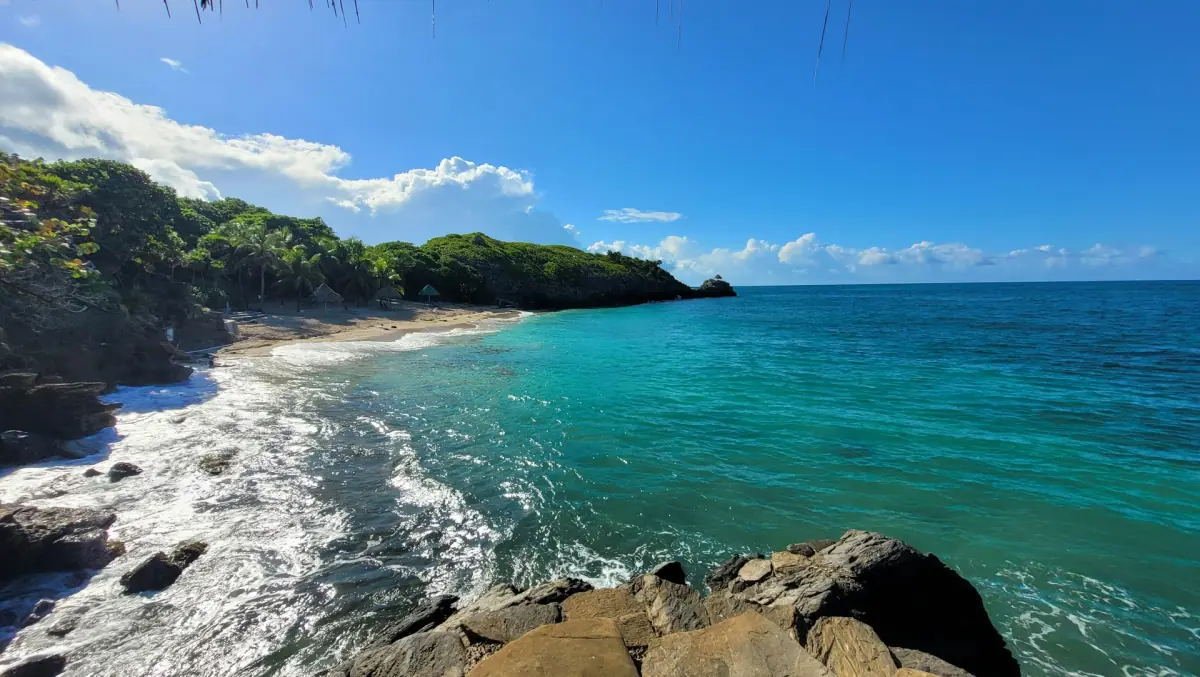
Hurricane season as a regional calendar
The Atlantic and Caribbean hurricane season runs from 1 June to 30 November according to the US National Weather Service. That is a regional planning period, rather than an island closure calendar. Use it to pay attention to tropical weather information and to the connections on which your itinerary depends. Conditions on your own travel day remain the practical issue.
Dates outside that season still call for ordinary weather awareness. Separate the regional tropical-storm outlook from the local decision about wind, waves and a particular boat departure. If you have a flight after a sea connection, consider the consequences of a changed sailing as well as the sailing itself. The arrival guide puts the ferry and airport connections in context.
A guided dive outing
This guided boat trip includes dive equipment and a shaded boat for planning time on the water.
Hand-picked tours, booked through GetYourGuide. Prices are indicative starting prices in US dollars (as of November 2026). Tap a tour for live availability and the current price in your currency.
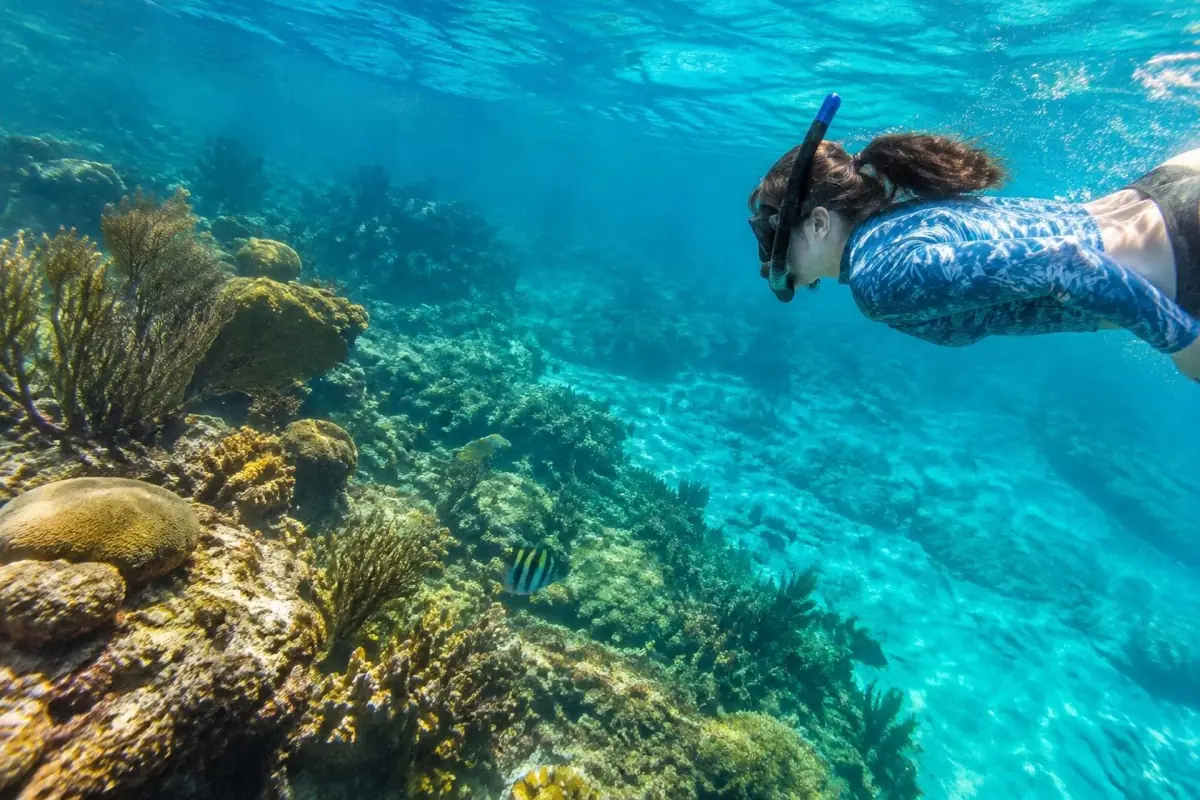
A boat dive planned around sea conditions
Scuba equipment, a shaded boat, fresh water and professional guidance form the activity; conditions determine the day at sea.
Wind and a change between the north and south coasts
A local dive operation describes poor north-coast conditions especially from mid-October to March and explains that it can move diving to the south coast when appropriate, or make the reverse change. This is that operation's experience and way of organising dives. It helps explain why the same island can offer different working conditions on different sides.
A coast change still depends on the day, the chosen site and the operator's arrangements. Keep the discussion about the actual outing: where the boat would leave, how you reach it and whether the planned activity suits the conditions. The practical benefit is understanding the alternative, rather than expecting every scheduled outing to go ahead simply because another coast exists.
Diving and snorkelling by the conditions on the day
The two-to-three-hour scuba product featured here includes diving equipment, a shaded boat, fresh water aboard and guidance by experienced dive professionals. Pickup is included, with the location depending on the option. Choose it as a diving activity whose route and operation depend on conditions. The diving guide covers the distinction between certified diving and introductory scuba.
For snorkelling, assess the entry, boat arrangements and local conditions rather than borrowing a dive-site category as a suggested swimming route. For a beach day, take the same care over the water immediately in front of you. A sheltered description of an area is background information; the entry and sea state on the day deserve their own attention.
Keep reef care part of the activity whatever the date. Operators' house rules can require guests to avoid touching the reef or animals, taking anything away or crowding wildlife. Roatan Marine Park asks for attention to equipment disinfection when moving into healthy reef areas. Follow the instructions given for your activity and keep equipment clear of coral.
Ferries and cruise visits with time in reserve
A ferry connection needs more planning than the crossing alone. Include reaching the terminal, the operator's check-in requirement and the onward road journey. Keep contact details and current departure information available. Where the sea crossing connects to a flight or another fixed departure, give yourself room to respond to a change rather than building everything around a single estimated arrival.
For a cruise call, start with the ship's actual terminal and all-aboard time. Port of Roatan in Coxen Hole and Mahogany Bay / Isla Tropicale in Dixon Cove have different meeting arrangements. The shore-excursion guide explains how to compare the excursion length with the time available ashore. Keep the return journey visible in the plan from the beginning.
Forecasts and official warning sources
CENAOS/COPECO publishes daily forecasts, rainfall and temperature maps, and extended or seasonal outlooks. Use the forecast closest to your travel date for immediate planning. For maritime restrictions, the Dirección General de la Marina Mercante and the harbour authorities for Roatán and La Ceiba are the official points of reference. An operator's decision about its own outing and an official sailing restriction are different pieces of information.
Check current official travel advice as another part of preparation. At the source review on 11 November 2026, the FCDO Honduras advice page showed an update of 5 November 2026. Keep weather warnings, travel advice and booking arrangements together in your planning, so a change in one part of the journey can be considered before it affects the next connection.
Questions about your plans
Does hurricane season mean Roatán closes?
The 1 June to 30 November period is the Atlantic and Caribbean hurricane season. It is a regional weather calendar. Use current local forecasts and maritime information for the decision about your dates.
Can diving move to the other coast?
One local operation describes moving between the north and south coasts when conditions make that appropriate. The actual location and feasibility depend on the operator and the day.
Which information matters close to departure?
Use CENAOS/COPECO forecasts and warnings, the harbour authorities or Marina Mercante for maritime restrictions, and the operator for your particular sailing or excursion. Revisit onward connections if the departure changes.